
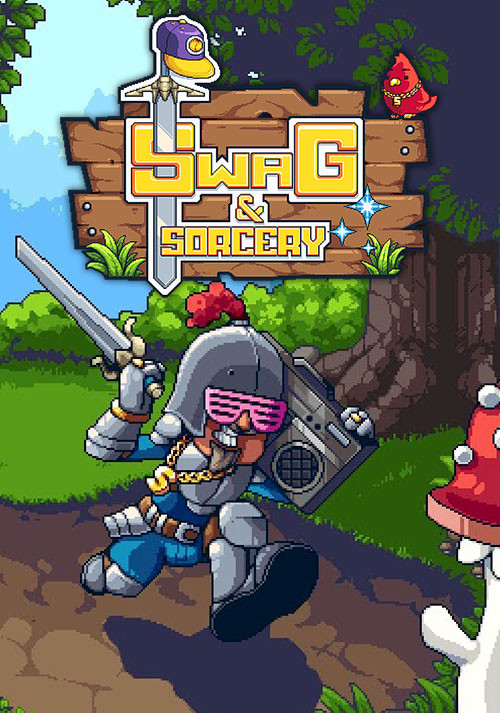

Swag and Sorcery Steam CD Key
1 in stock
Build a fantasy village, equip heroes and send them on resource-gathering expeditions in Swag and Sorcery. Monitor the risk and withdraw before defeat to protect loot, then improve the next setup. Steam lists single-player. This purchase names the individual Steam game; compare the PC requirements, actual code conditions and any larger collection separately.
$2.20
1 in stock
Build your own fantasy village, create and equip your characters and send them to collect swag in Swag and Sorcery – a new streamlined RPG from the creators of Punch Club and Graveyard Keeper
Choosing Swag and Sorcery for village and equipment progression
Swag and Sorcery centres on a fantasy village, the heroes you equip and the expeditions that bring back resources. Its appeal comes from preparing a group, watching the outcome and using the rewards to improve what you can send out next. Think about whether that repeated management loop suits your next game. A fantasy setting can support many kinds of play, and here the decisions about preparation are central to the experience.
Equipment is a practical part of that loop. Before another expedition, consider what the heroes are carrying and what the village can provide. The publisher presents upgrading and sending them out again as the core progression. You may enjoy comparing a better setup with an earlier attempt, or prefer a game where every movement and attack is under your direct control. The indie game mechanics comparison helps you choose by the activity you want to repeat rather than the artwork alone.
There is also a decision about when to withdraw. The publisher explains that heroes can be pulled out before defeat to protect their collected loot. That gives monitoring a run a purpose even when the fighting itself looks automatic. Decide whether you enjoy weighing another step of progress against returning with what you have already collected. Calling a game an idle RPG does not establish that leaving it unattended will always be the best approach.
The village gives those expeditions a place in a larger cycle of gathering and improvement. Use the simulation and management comparison to compare this focused fantasy system with building an entire city or managing a broad economy. The buying question is how much of your time you want to spend reviewing equipment and results. A village theme does not on its own tell you the scale of construction or the kind of management a game provides.
Steam lists Swag and Sorcery as single-player. A party of heroes is therefore a different consideration from the number of people joining a session. The single-player RPG and account comparison can help match that arrangement to the way you like to play. The publisher also frames the adventure around recovering the king’s missing suit, with humour and a sarcastic cat, so compare the tone alongside the progression systems.
This purchase names Swag and Sorcery on Steam. References to Punch Club and Graveyard Keeper identify the creators’ other work; they do not by themselves include those separate games. Likewise, a publisher collection has its own list of items. Compare the actual named package with the games already in your library before treating a shared developer or similar pixel artwork as a collection entitlement.
For the computer you intend to use, review the current Steam listing rather than assuming modest-looking artwork guarantees compatibility. It specifies dedicated graphics, and its older Windows minimum must be read alongside Steam’s current client support. Confirm the actual account and code conditions before buying. Choose Swag and Sorcery when equipping heroes, managing expeditions and improving a fantasy village match the kind of progression you want.


