
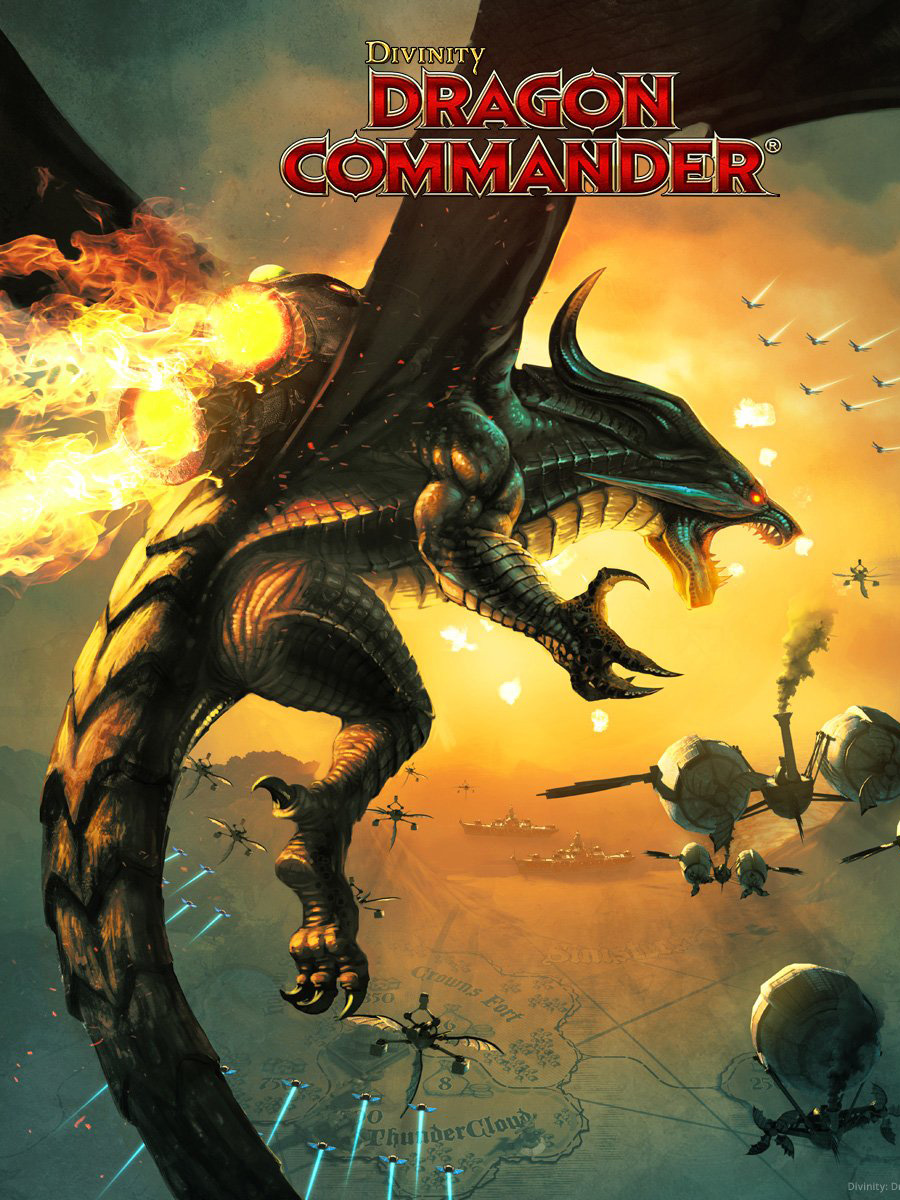

Divinity: Dragon Commander Steam CD Key
51 in stock
Divinity: Dragon Commander for Steam combines turn-based empire management, real-time battles and direct dragon combat. Compare the exact edition before ordering; Imperial Edition is a separately listed package.
$11.11
51 in stock
You are the Dragon Commander. Your mission is to reunite a broken empire and become the new emperor. Success depends entirely on your ability to efficiently rule your empire, build invincible armies and lead them to victory. Your secret weapons: your tactical insights, your leadership skills and your ability to turn yourself into a dragon. More than 'just another' strategy game, Dragon Commander seamlessly blends turn-based and real-time strategy, action gameplay and roleplaying into a grand adventure. Plot the political course of your empire, move your armies into key locations in the world, command troops on the battlefield, and decimate the opposition as a ferocious dragon.
Steam package and campaign purchase checks
The publisher lists a story-driven single-player campaign, skirmish battles and multiplayer campaigns. Choose the type of session you want before comparing the game’s published requirements.
This listing names the standard Steam game. Steam also lists Divinity: Dragon Commander Imperial Edition as a separate package. Check the exact edition and its stated extras when comparing offers. After selecting the exact package, follow the Steam key activation instructions for the Steam account that will own it.
The game’s historical PC specifications and the current Steam client requirements are separate checks. Review both for your computer before purchasing, especially when an older operating system appears in the original specifications. Use the PC hardware requirements guide to record the complete computer comparison for Dragon Commander alongside the current Steam client, rather than relying on one historical minimum.
For more games built around army and empire decisions, browse the strategy catalogue. The roleplaying game selection offers other approaches to character and story choices.
Decide which layer of Dragon Commander you want to command
Dragon Commander combines several kinds of decision within one campaign. The world map advances through turns, while army battles take place in real time, and you can join the fighting as a dragon. Larian also describes political choices while ruling the empire. The strategy format comparison helps place that combination alongside games focused on one layer alone. Consider whether switching between planning, battlefield management and direct action is part of the appeal. A preference for slow campaign decisions does not automatically mean you want rapid battles too.
For the campaign map, think about whether you enjoy building a longer plan and accepting the consequences of earlier decisions. For battles, ask whether coordinating forces as events unfold sounds engaging. The campaign and tactical-depth guide is useful for comparing those interests. Dragon Commander is a particular mix within the Divinity catalogue; its name should not be used as a shortcut for the turn-based party combat of a different Divinity game. Compare the actual systems rather than assuming all entries in one fantasy setting play alike.
Choose the intended session before comparing the purchase. The publisher distinguishes a story-driven solo campaign, multiplayer campaigns and skirmishes. A published network mode does not tell you whether a particular opponent, connection or session will be available when you want it. If playing with someone is essential, agree on the exact PC game and mode together. This offer names the standard game. The edition and package checklist also helps distinguish the separately named Imperial Edition and four-copy package from a single standard license. Compare included items and number of copies with what you actually need. Check the Steam key’s country conditions independently of whether your planned multiplayer session can be arranged.
For a solo purchase, prioritise the campaign systems you will actually use. Buying extra copies for a group should follow a shared decision about the multiplayer mode, rather than the fantasy setting alone.
Related products
-
Action, Adventure, Racing
LocoCycle XBOX One Key
Follow I.R.I.S. and Pablo in LocoCycle's comic motorcycle escape. This offer names an Xbox One key. Compare the action-focused game with your preferences, then check the intended console, Xbox ownership, language needs and actual code conditions.
SKU: KG-10276 -


